






Why Molded Pulp Medical Kidney Dishes Are Replacing Plastic in European Healthcare
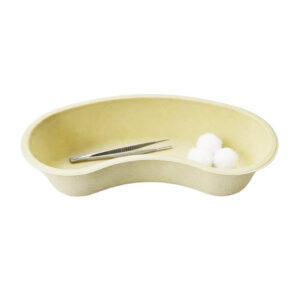
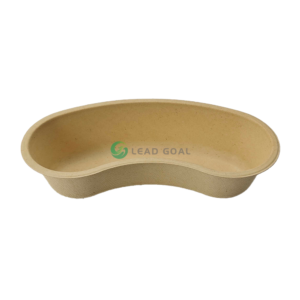
Hospitals across Europe are facing increasing pressure to reduce medical plastic waste while maintaining strict hygiene and safety standards. As healthcare systems move toward more sustainable procurement policies, molded pulp medical kidney dishes are emerging as a practical alternative to traditional plastic kidney dishes.
Made from renewable plant fibers such as bamboo pulp or paper pulp, disposable molded fiber kidney dishes provide reliable performance for medical procedures while significantly lowering environmental impact.
This shift is particularly relevant in the European Union, where new regulations and hospital sustainability programs are accelerating the transition away from single-use plastics.
Growing Concern Over Medical Plastic Waste
Healthcare systems generate a large amount of plastic waste every year. According to a report by the World Health Organization (WHO), approximately 85% of healthcare waste is non-hazardous, but a significant portion consists of single-use plastic products used for infection control and patient care.
In Europe alone, the healthcare sector produces over 7 million tons of waste annually, and disposable plastic items are a major contributor.
Kidney dishes—commonly used in hospitals for procedures such as wound care, surgical preparation, and fluid collection—are among the frequently used disposable medical accessories.
Because of their high usage volume, replacing plastic kidney dishes with biodegradable molded pulp alternatives can significantly reduce hospital plastic waste.
Key Differences: Molded Pulp vs Plastic Kidney Dishes
Material and Sustainability
Traditional kidney dishes are typically made from polypropylene (PP) or polystyrene (PS) plastics. These materials are durable but derived from fossil resources and often end up in medical waste streams where recycling is difficult.
By contrast, molded pulp kidney dishes are produced from renewable fibers, such as bamboo or recycled paper pulp. These materials are biodegradable and can be safely disposed of through environmentally responsible waste treatment systems.
Studies on molded fiber packaging show that fiber-based materials can reduce carbon emissions by up to 30–50% compared with plastic alternatives, depending on the production process and energy source.
Single-Use Hygiene and Infection Control
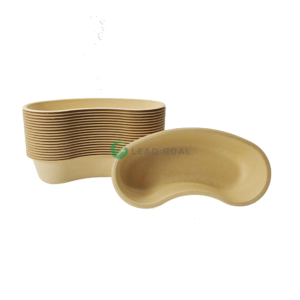
In many healthcare environments, kidney dishes are used once and discarded to prevent cross-contamination. Disposable molded pulp kidney dishes offer a hygienic solution because they:
-
are sterile-ready for single use
-
eliminate the need for washing or sterilization
-
reduce risk of cross-infection
Hospitals increasingly prefer single-use fiber products in areas such as emergency rooms, surgical wards, and outpatient clinics.
Safe Disposal in Medical Waste Streams
Plastic kidney dishes typically enter clinical waste incineration streams, contributing to carbon emissions and long-term environmental impact.
Fiber-based kidney dishes, however, burn more cleanly during medical waste treatment. Research in medical waste management indicates that fiber products generate significantly lower toxic emissions during incineration compared with plastics, which can release harmful compounds when burned.
This makes molded pulp kidney dishes easier to integrate into hospital waste reduction programs.
Why European Hospitals Are Moving Toward Fiber-Based Medical Supplies
The shift toward molded pulp medical products is closely linked to European environmental policies.
EU Single-Use Plastics Directive
The EU Single-Use Plastics Directive (SUPD) aims to reduce the environmental impact of disposable plastic items and encourages the adoption of sustainable alternatives.
Although medical devices are partly exempt due to hygiene requirements, hospitals and procurement authorities are increasingly encouraged to adopt low-impact materials wherever possible.
Green Public Procurement (GPP)
Many EU member states apply Green Public Procurement standards in healthcare purchasing. These guidelines prioritize products that:
-
use renewable materials
-
reduce lifecycle carbon emissions
-
minimize plastic waste
Fiber-based medical disposables, including molded pulp kidney dishes, fit well within these sustainability criteria.
Performance Advantages of Molded Pulp Medical Kidney Dishes
Modern molded pulp technology ensures that fiber kidney dishes provide reliable performance in clinical environments.
Key characteristics include:
-
strong structural stability
-
leak resistance for short-term medical use
-
lightweight and stackable design
-
safe handling during medical procedures
Because molded pulp products are produced using high-pressure forming technology, they achieve consistent thickness and durability suitable for hospital applications.
Applications in Healthcare Facilities
Molded pulp medical kidney dishes are widely used in:
-
hospitals
-
surgical clinics
-
dental practices
-
emergency departments
-
outpatient treatment rooms
Typical applications include:
-
wound cleaning and dressing procedures
-
holding medical instruments
-
collecting fluids or small waste materials
-
patient bedside care
Market Outlook for Sustainable Medical Disposables
Demand for sustainable medical supplies is expected to grow significantly in the coming years. The global market for molded fiber packaging is projected to grow at over 7% CAGR through 2030, driven partly by the healthcare sector’s efforts to reduce plastic waste.
As hospitals adopt stronger ESG policies and environmental reporting requirements, fiber-based disposable medical products are likely to become a standard solution in many healthcare systems.
Conclusion
Molded pulp medical kidney dishes provide a practical balance between hygiene, functionality, and environmental responsibility. Compared with traditional plastic kidney dishes, fiber-based alternatives reduce reliance on fossil materials, lower environmental impact during disposal, and align with evolving European sustainability policies.
For healthcare providers and medical distributors seeking environmentally responsible solutions, biodegradable molded pulp kidney dishes represent an important step toward greener medical practices without compromising clinical performance.