

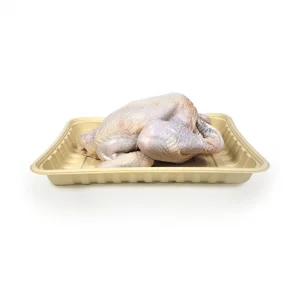
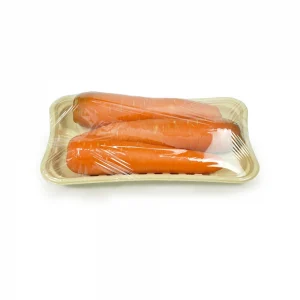
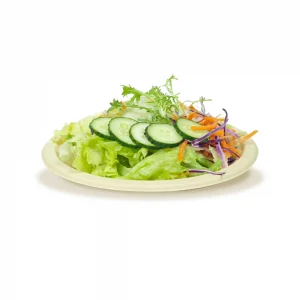
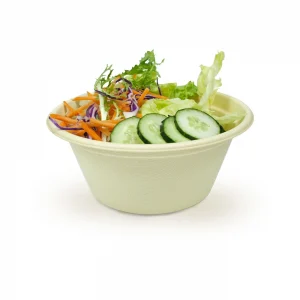
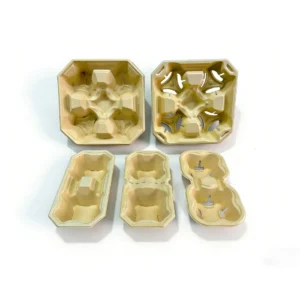
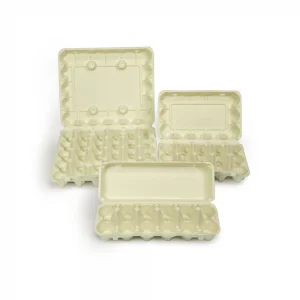

As the world accelerates its shift toward sustainable, plastic-free packaging, molded pulp made from renewable bamboo and plant fibers is emerging as a top choice for environmentally conscious brands.
At LeadgoalCN, we believe that the foundation of every premium molded pulp product lies in one critical factor — the type of pulp used.
Different pulping methods—mechanical, chemical, and chemi-mechanical (CMP/CTMP)—determine the strength, smoothness, and eco-efficiency of molded pulp trays, egg cartons, and cup carriers.
1. Mechanical Pulp (MP)
Process Overview
Mechanical pulp is produced by grinding raw fibers (e.g., bamboo, bagasse, wood chips) into fine particles using mechanical energy only.
No chemicals are used to remove lignin or hemicellulose.
Key Features and Data
-
Pulp yield: 90–95% of raw material (FAO, 2022)
-
Fiber type: Short fibers with high lignin content
-
Brightness: 60–70 ISO
-
Energy consumption: 1800–2500 kWh/ton
-
Cost efficiency: High
Performance in Packaging
Mechanical pulp provides good rigidity and formability, making it ideal for low-cost, thick-walled trays and transport packaging.
However, the surface texture is rough, and the material tends to yellow over time due to lignin oxidation.
2. Chemical Pulp (CP)
Process Overview
Chemical pulping uses chemicals (usually Kraft or Sulfite process) to dissolve lignin and separate cellulose fibers.
This results in longer, cleaner fibers suitable for high-strength paper and molded pulp.
Key Features and Data
-
Pulp yield: 45–55% (Smook, 2023)
-
Fiber strength: 30–40% higher tensile index than mechanical pulp
-
Brightness: 85–90 ISO (after bleaching)
-
Energy use: 800–1200 kWh/ton
-
Purity: >95% cellulose content
Performance in Packaging
Chemical pulp offers excellent strength, smoothness, and whiteness, perfect for food-grade trays, sushi boxes, and cosmetic packaging where appearance and safety are key.
However, due to higher production costs, it’s less commonly used for mass-market items.
3. Chemi-Mechanical / Chemi-Thermo Mechanical Pulp (CMP / CTMP)
Process Overview
CMP or CTMP combines chemical and mechanical methods.
Raw fibers are pre-softened using mild chemicals (e.g., sodium sulfite or alkaline solution) and then refined mechanically.
This creates a balanced pulp that offers higher strength and brightness while keeping high yield.
Comparative Data Table
| Parameter | Mechanical Pulp | Chemical Pulp | Chemi-Mechanical Pulp |
|---|---|---|---|
| Yield (%) | 90–95 | 45–55 | 70–85 |
| Tensile Index (N·m/g) | 40–50 | 80–100 | 65–80 |
| Brightness (ISO) | 60–70 | 85–90 | 75–80 |
| Energy Use (kWh/ton) | 1800–2500 | 800–1200 | 1200–1800 |
Advantages for Molded Pulp Packaging
-
Balanced Performance: Combines the strength of chemical pulp with the yield of mechanical pulp.
-
Improved Surface Quality: Smoother and cleaner surface suitable for food-grade applications.
-
Energy and Chemical Efficiency: Uses ~50% fewer chemicals than full chemical pulping (Zhang et al., 2020).
-
Dimensional Stability: 15–20% better form retention during hot pressing than mechanical pulp.
Best Applications
CTMP is widely used for fresh food trays, cup holders, and egg cartons, providing the best trade-off between cost, performance, and sustainability.
4. LeadgoalCN’s Bamboo Pulp Technology
At LeadgoalCN, we utilize advanced bamboo fiber-based chemi-mechanical pulping technology to manufacture our molded pulp products.
This innovative process delivers both structural strength and environmental responsibility.
Technical Highlights
-
Fiber source: 100% renewable bamboo and plant fibers
-
Pre-treatment: Alkaline softening for improved flexibility
-
Hot pressing: Ensures consistent thickness and smooth surface
-
Production efficiency: Up to 80% material utilization
Product Performance Data
| Property | LeadgoalCN Pulp Tray | Standard Mechanical Tray |
|---|---|---|
| Compressive Strength | ≥25 MPa | 15–18 MPa |
| Water Absorption (24h) | <20% | 35–40% |
| Deformation Rate (Hot Pressing) | <3% | 8–10% |
| Stackability | Excellent | Moderate |
Our approach ensures that every LeadgoalCN tray, cup carrier, and egg carton delivers strength, smoothness, and sustainability—helping clients meet both eco regulations and cost targets.
5. Conclusion
| Aspect | Mechanical Pulp | Chemical Pulp | Chemi-Mechanical Pulp |
|---|---|---|---|
| Yield | High | Moderate | Balanced |
| Strength | Low | High | Medium-High |
| Surface Quality | Rough | Smooth | Semi-smooth |
| Cost | Low | High | Medium |
| Best Use | Transport trays | Premium packaging | Food trays & cup carriers |
The chemi-mechanical pulp (CTMP) process represents the future of molded fiber packaging.
By integrating high yield, good strength, and eco-friendly production, it enables sustainable manufacturing without compromising quality.
LeadgoalCN continues to invest in this innovative technology to support the global movement toward biodegradable, plastic-free packaging.
References
-
FAO. (2022). Global Pulp and Paper Industry Report. Food and Agriculture Organization of the United Nations.
-
Smook, G. A. (2023). Handbook for Pulp & Paper Technologists (4th ed.). TAPPI Press.
-
Zhang, H., Li, C., & Wang, J. (2020). “Optimization of Chemi-Thermo Mechanical Pulp for Molded Fiber Packaging Applications.” Cellulose, 27(14), 8433–8448.
-
ISO 5269-2:2021. Pulps — Preparation of laboratory sheets for physical testing — Part 2: Rapid-Köthen method.