



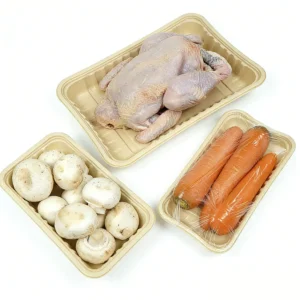
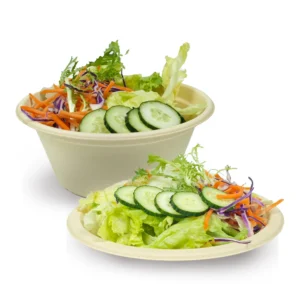
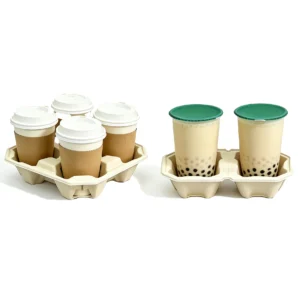
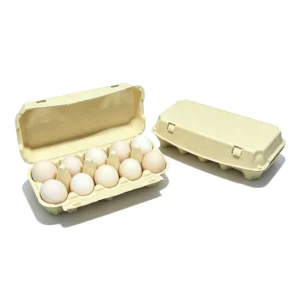

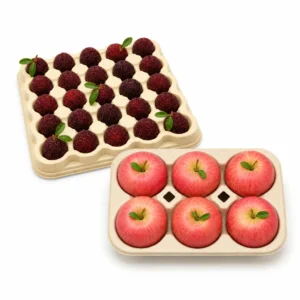

Against the backdrop of carbon peaking and carbon neutrality strategies and the upgrading of green consumption, ecological problems such as microplastic pollution, resource depletion and solid waste accumulation caused by traditional petrochemical materials have become increasingly prominent. Finding renewable, recyclable and zero-residue eco-friendly alternative materials has become a core trend in industrial development and public consumption.
As a natural biomass material, bamboo fiber boasts full-life-cycle advantages includingrenewable raw materials, zero-waste production and complete natural degradation. It builds a complete closed-loop system covering natural material extraction, industrial processing and ecological restoration, standing as a benchmark for sustainable materials with both practicality and ecological value.
I. Raw Material Traceability: Renewable Bamboo Builds a Solid Foundation for Green Development
The sustainability of a material fundamentally depends on the native attributes of its raw materials. We select fast-growing natural bamboo as the core raw material. Compared with traditional materials such as wood and petrochemicals, bamboo has unique ecological advantages and serves as a high-quality renewable resource for large-scale green production.
In terms of growth, bamboo features a short growth cycle and strong natural regeneration capacity, requiring no large-scale forest reclamation and consumption of scarce natural resources. In terms of planting and maintenance, bamboo forests adapt to natural native growth patterns with no chemical fertilizers, no pesticides and low water consumption, eliminating agricultural pollution and water and soil loss from the source. Meanwhile, bamboo forests have excellent capabilities in carbon sequestration, oxygen release, water and soil conservation, effectively preserving regional biodiversity and delivering significant ecological benefits.
Through scientific bamboo forest cultivation and standardized logging management, we ensure stable and high-quality raw material supply while realizing the sustainable iterative utilization of bamboo resources, endowing products with low-carbon, green and eco-friendly attributes from the source.
II. Production Technology: Closed-Loop Intelligent Manufacturing for Zero Industrial Waste Output
Most eco-friendly products in the industry only focus on terminal degradation performance, while problems such as waste discharge, resource waste and energy consumption pollution persist in the production process. Breaking through traditional processing technologies, we have established a full-process zero-waste production closed-loop system to maximize resource utilization through technological innovation.
Leveraging self-developed innovative bamboo fiber processing technology, we achieve extreme utilization of bamboo raw materials and eliminate resource waste in production. Bamboo scraps and residues generated during processing are converted into high-nutrient organic fertilizers via professional biotransformation technology, which are reused for bamboo forest cultivation and farmland planting.
This production mode completely subverts the traditional linear industrial model of “material extraction – production – pollution discharge”. It realizes the closed-loop flow of raw material collection, product manufacturing, waste conversion and ecological feedback, with zero industrial solid waste discharge and no secondary pollution. Every piece of bamboo material is fully utilized, building a green production system for the industry.
III. Terminal Degradation: Complete Natural Biodegradation for Zero-Residue Ecological Restoration
The core advantage of biomass materials lies in their ecological restoration capacity after disposal. Free of chemical additives, our bamboo fiber products retain the natural biomass properties of bamboo and deliver outstanding natural biodegradability.
After completing their service life, our products can achieve 100% complete biodegradation under the action of microorganisms in the natural environment. They are ultimately decomposed into carbon dioxide, water and natural organic matter, all returning to the soil ecosystem to provide nutrients for plant growth and form a virtuous ecological cycle.
The entire degradation process is non-toxic, harmless and free of secondary pollution, with zero microplastic residue and zero chemical residue. It thoroughly solves the industrial pain point of persistent soil and water pollution caused by non-degradable traditional plastic products, perfectly practicing the ecological logic of “taking from nature and returning to nature”.
IV. Value Empowerment: Empowering Sustainable Development Through a Full-Link Green System
Different from eco-friendly products with single-dimensional environmental advantages, the core value of bamboo fiber lies in its full-life-cycle green system covering raw materials, production and terminal application: low-carbon material extraction from renewable bamboo at the source, clean production via zero-waste technology in the process, and zero-impact ecological restoration through natural degradation at the terminal.
On the consumer side, bamboo fiber products combine natural texture and superior performance, adapting to various scenarios such as home furnishing, daily necessities and textiles, providing consumers with high-quality and low-burden green consumption options. On the industrial side, its closed-loop production model offers replicable and implementable green solutions for the biomass environmental protection industry, driving the low-carbon transformation and upgrading of the sector.
Green development originates from material selection and ends with ecological circulation. We empower natural bamboo with professional technology and develop sustainable products with full-link ecological thinking. Every bamboo fiber product acts as an important carrier for low-carbon life, ecological protection and industrial upgrading, helping build a sustainable future of harmonious coexistence between humans and nature.