



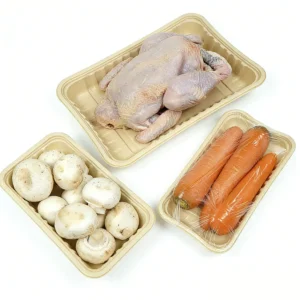
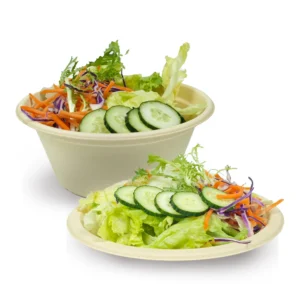
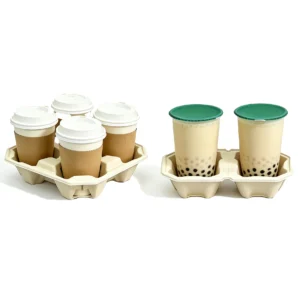
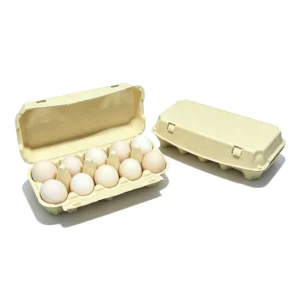

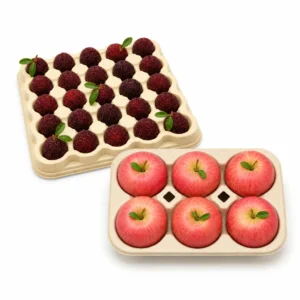

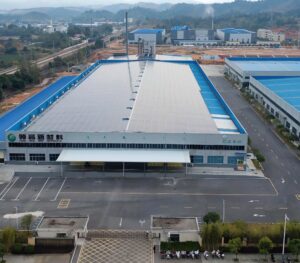
Sourcing from nature and pursuing green growth, Hunan LeadGoal has long stuck to the “natural, eco-friendly, sustainable” concept in bamboo fiber production. Its full-factory photovoltaic system is online, generating 15,000 kWh clean power daily. Solar energy runs the whole production chain from bamboo raw materials to finished fiber for full-process carbon reduction.
1. Cut Costs & Lift Green Productivity
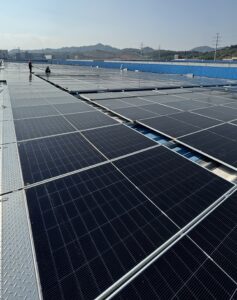
Rising industrial power prices weigh heavily on manufacturers. Rooftop solar panels enable self-power supply with surplus storage and lower grid dependence.
Stable PV power covers all refining and testing lines, shielding production from price swings and slashing electricity bills. Saved funds support process upgrades, quality optimization and new product R&D to deliver cost-effective goods. The one-off PV investment brings long-term gains, avoids power-cut shutdowns and boosts production efficiency and competitiveness.
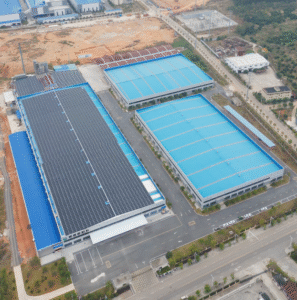
2. Dual Green Strengths Consolidate Low-Carbon Basis
Bamboo fiber is renewable, biodegradable and pollution-free; solar power produces zero emissions. The two eco-friendly advantages form the core of sustainable manufacturing.
Replacing plastic with bamboo and running production entirely on green power generates no extra waste and greatly cuts carbon footprints, forming a closed low-carbon product lifecycle. Aligned with dual-carbon targets, the enterprise exits high-energy-consumption modes and integrates eco-performance into all production links, making products fully natural-cycle friendly.
3. Upgrade Quality & Boost Brand Value
Green supply chains and low-carbon products dominate the market, where environmental performance determines corporate competitiveness.
The PV system reduces costs and demonstrates solid environmental accountability. Steady green power proves standardized, modern eco-production capacity, offering edges in green factory accreditation, supplier screening and compliance reviews. This differentiated low-carbon capacity delivers stable output for partners to build eco-labels and better market reputations. Each bamboo fiber product boasts soft, safe premium quality while conveying sustainable living values to consumers.
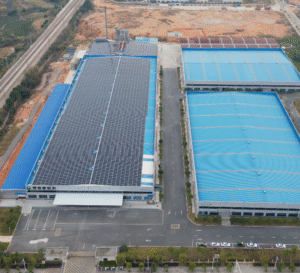
4. Long-Term Efforts Toward Sustainable Future
Green development demands sustained commitment.
Three sustainable pillars: premium bamboo selection, optimized craftsmanship and solar power adoption. Clean energy use is merely the starting point of smart manufacturing upgrade. Going forward, the company will improve PV efficiency, strengthen quality control and advance technologies. Rooted in natural bamboo and driven by solar power, it will keep supplying high-quality low-carbon goods, partnering with clients and consumers to build a greener ecosystem for lasting sustainability.
Make fine products with sunlight, foster eco-friendly lives with nature. Every kWh of green power safeguards the environment; every bamboo product carries our pursuit of a better world.