




Against the global carbon neutrality drive, China’s innovative bamboo-for-plastic alternative solution ushers in a trillion-dollar market era.
The global biodegradable packaging market exceeded hundreds of billions of US dollars in 2025, with a robust compound annual growth rate (CAGR) projected through 2032. Within this green growth landscape, the bamboo substitution sector stands out as a prime growth engine, bolstered by unique ecological merits and favorable policy support. Hunan Lead Goal New Materials Co., Ltd., a veteran bamboo fiber packaging enterprise, has witnessed and participated in this worldwide packaging transformation.
A Lucrative Global Growth Track
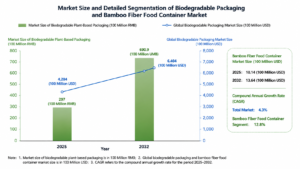
QYResearch data shows the global plant-based biodegradable packaging market hit RMB 29.7 billion in 2025, forecast to reach RMB 69.09 billion by 2032 at a 12.8% CAGR. The broader biodegradable packaging market was valued at USD 428.4 billion in 2025 and is expected to surge to USD 640.4 billion by 2032.
The bamboo fiber food container submarket reached USD 1.014 billion in 2025, projected to hit USD 1.364 billion by 2032 with a 4.3% CAGR, fueled by plastic ban regulations in over 140 countries, with distinct regional growth dynamics:
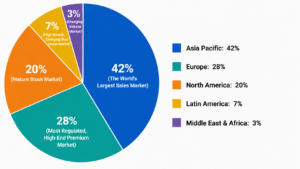
- Asia-Pacific: The world’s core production and consumption hub, accounting for over 42% of global biodegradable packaging demand in 2025. Leveraging China’s abundant bamboo resources and bamboo-for-plastic policies, alongside plastic taxes and single-use plastic bans in Japan, South Korea and Southeast Asia, regional bamboo fiber packaging posts a 15.2% annual growth rate.
- Europe: The strictest plastic restriction jurisdiction, with its biodegradable packaging market worth approximately USD 136 billion in 2025. EU plastic bans and stringent biodegradability standards drive widespread adoption of bamboo fiber packaging in supermarkets and catering, delivering steady market performance and premium product margins at a 4.8% yearly growth rate.
- North America: The regional biodegradable packaging market totaled around USD 112 billion in 2025. Plastic surcharge policies across the US and Canada lift demand for bamboo fiber fresh food containers, valued at USD 287 million in 2025 and set to rise to USD 392 million by 2032.
- Latin America: Market size surpassed USD 52 billion in 2025. Plastic bans rolled out in Brazil, Mexico and Argentina create strong import demand for bamboo fiber products due to limited local wood and bamboo supplies, presenting vast substitution potential in catering and fresh food sectors with a 7.1% annual growth rate.
- Middle East & Africa: Environmental policies lag behind other regions yet plastic governance and decarbonization accelerate. The UAE, Saudi Arabia, South Africa and other nations are phasing out single-use plastics, boosting imports of plant-based packaging. The local bamboo fiber container market stood at merely USD 62 million in 2025, poised for sustained growth as relevant regulations mature.
Policy Backing: National Strategic Prioritization
In July 2025, China’s National Forestry and Grassland Administration and the National Development and Reform Commission jointly released the 2025 Catalog of Key Bamboo-for-Plastic Products, officially designating bamboo fiber packaging as a priority eco-friendly product for nationwide promotion.
The revised Interim Express Delivery Regulations, effective June 2025, mandate expanded use of biodegradable packaging, unlocking rigid market demand for bamboo alternatives.
The upcoming national standard GB/T 33798-2025 (to take effect in October) raises the minimum biodegradability threshold for packaging from 60% to 90%, strengthening the competitive edge of natural bamboo pulp products and erecting high industry entry barriers.
Core Competitive Edge: Superior Performance Beyond Eco-friendliness
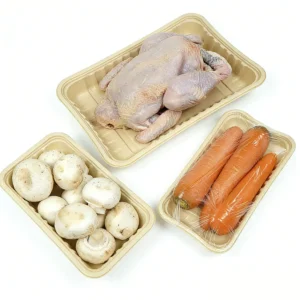
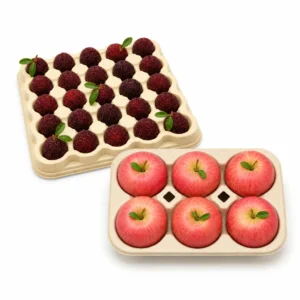
The value of bamboo fiber packaging extends far beyond biodegradability. Bamboo contains natural bamboo quinone with antibacterial properties, effectively preserving perishables: fruits such as red bayberries packed in bamboo fiber containers maintain extended shelf life in refrigeration, drastically cutting food wastage.
Aligning with China’s dual carbon goals, bamboo fiber packaging delivers remarkable carbon reduction results. Manufacturing one ton of bamboo fiber food containers cuts carbon dioxide emissions by roughly 2.7 tons, delivering tangible environmental benefits at the production stage.
About Us
Hunan Lead Goal is a Chinese manufacturer specializing in disposable biodegradable food packaging, with 12 years of expertise in bamboo fiber product development. We deliver safe, eco-friendly packaging solutions to global clients through a fully integrated industrial chain spanning bamboo plantations and fiber raw material facilities, enabling end-to-end quality control.
We believe true sustainability is more than a biodegradable label — it entails full-lifecycle green practices covering raw material sourcing, production optimization, product application and waste disposal. Drawing on 17 years of bamboo pulp molding R&D experience, we uphold technology and quality as core pillars to partner with global clients. Our mission is to turn the policy-driven “bamboo-for-plastic” initiative into an everyday sustainable lifestyle for consumers worldwide.
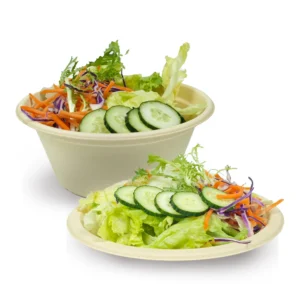
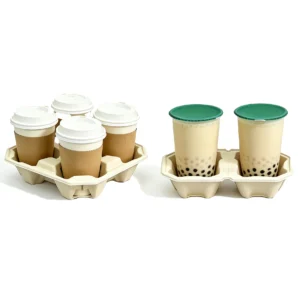
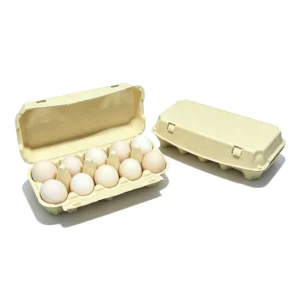
Looking ahead, we aim to collaborate with industry peers to replace conventional plastic packaging for eggs, coffee, fresh produce and more with eco-friendly bamboo alternatives, sharing China’s sustainable development success story across the globe through natural bamboo materials.